12Jun
In modern industrial environments, machinery reliability is essential for maintaining productivity, reducing downtime, and controlling operational costs. Factories rely heavily on equipment such as motors, conveyors, pumps, compressors, and electrical panels, all of which must operate efficiently and safely. Any unexpected failure can lead to production delays, financial losses, and even safety risks.
To address these challenges, many industries are adopting predictive maintenance strategies. One of the most powerful tools in this approach is thermal imaging in machinery predictive maintenance. By detecting heat patterns and temperature anomalies in machinery, thermal imaging allows maintenance teams to identify potential issues before they develop into serious failures. This proactive approach improves efficiency, enhances safety, and extends equipment lifespan.
Understanding Thermal Imaging in Industrial Maintenance
Thermal imaging, also known as infrared thermography, is a technology that captures temperature variations on the surface of objects. It uses infrared cameras to detect heat emitted by machinery and converts it into visual images called thermograms.
Key components include:
- Infrared cameras
- Temperature sensors
- Imaging software
- Data analysis tools
These tools help maintenance teams identify abnormal heat patterns that may indicate mechanical or electrical problems.
1. Early Detection of Equipment Failures
One of the most important benefits of thermal imaging is its ability to detect problems before they lead to equipment failure.
Common issues identified include:
- Overheating bearings
- Electrical overloads
- Loose electrical connections
- Misaligned mechanical components
- Friction-related heat buildup
Why early detection matters:
- Prevents unexpected breakdowns
- Reduces costly emergency repairs
- Minimizes production downtime
- Improves operational reliability
By identifying abnormal temperature patterns early, factories can schedule maintenance before failures occur.
2. Reducing Unplanned Downtime
Unplanned downtime is one of the most expensive challenges in manufacturing. When machinery fails unexpectedly, production stops, deadlines are delayed, and costs increase.
How thermal imaging helps reduce downtime:
- Identifies potential faults before failure
- Enables planned maintenance scheduling
- Reduces emergency repair situations
- Improves maintenance planning accuracy
Benefits include:
- Higher production efficiency
- Better resource allocation
- Improved delivery timelines
- Lower operational disruptions
By preventing sudden breakdowns, thermal imaging helps factories maintain smooth and continuous operations.
3. Improving Electrical System Safety
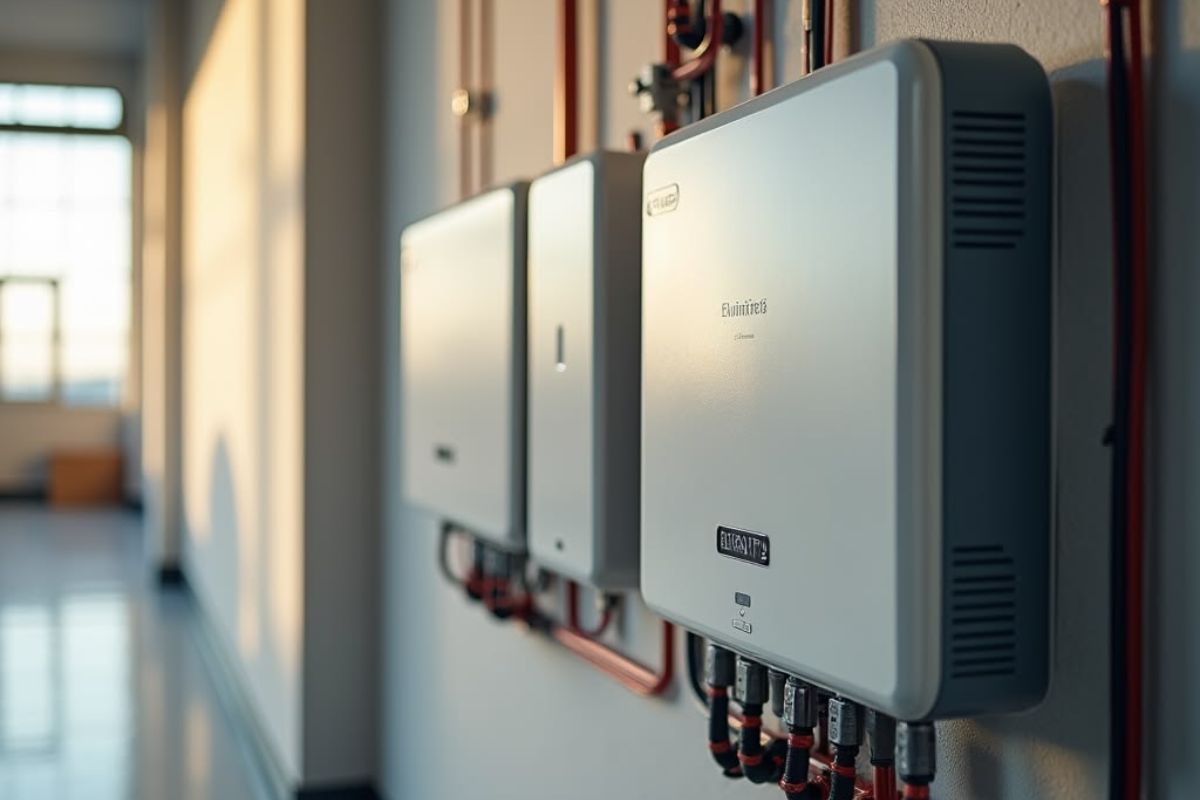
Electrical systems are a major source of industrial risk. Overheating components can lead to fires, equipment damage, or electrical failures.
Thermal imaging can detect:
- Overheated circuit breakers
- Faulty wiring connections
- Overloaded electrical panels
- Imbalanced electrical loads
Safety advantages:
- Reduces fire hazards
- Prevents electrical accidents
- Enhances workplace safety compliance
- Protects expensive equipment
Regular thermal inspections help ensure electrical systems operate within safe temperature ranges.
4. Enhancing Energy Efficiency
Thermal imaging also contributes to energy efficiency by identifying equipment that is consuming excessive power due to inefficiencies.
Energy-related issues detected:
- Overheating motors due to mechanical strain
- Inefficient electrical connections cause resistance losses
- Poor insulation in thermal systems
- Imbalanced loads in electrical networks
Efficiency benefits:
- Reduced energy waste
- Lower electricity costs
- Improved system performance
- Optimized equipment operation
By fixing heat-related inefficiencies, factories can significantly reduce energy consumption.
5. Extending Machinery Lifespan
Excess heat is one of the primary causes of machinery degradation. Components that consistently operate at high temperatures wear out faster and fail more frequently.
Thermal imaging helps by:
- Detecting overheating components early
- Preventing excessive wear and tear
- Ensuring proper lubrication and alignment
- Maintaining optimal operating conditions
Resulting benefits:
- Longer equipment lifespan
- Reduced replacement costs
- Improved return on investment
- Better asset utilization
By reducing heat-related stress, factories can significantly extend the operational lifespan of their machinery.
6. Supporting Predictive Maintenance Strategies
Predictive maintenance relies on data-driven insights to determine when equipment needs servicing. Thermal imaging plays a key role in this approach.
How it supports predictive maintenance:
- Provides real-time temperature data
- Identifies abnormal heat patterns
- Tracks equipment condition over time
- Supports trend analysis and forecasting
Advantages over traditional maintenance:
- Moves from reactive to proactive maintenance
- Reduces unnecessary servicing
- Improves maintenance scheduling efficiency
- Lowers overall maintenance costs
Thermal imaging allows factories to maintain equipment based on actual condition rather than fixed schedules.
7. Reducing Maintenance Costs
Maintenance costs can be a significant portion of industrial operating expenses. Thermal imaging helps reduce these costs by improving maintenance efficiency.
Cost-saving benefits:
- Fewer emergency repairs
- Reduced equipment downtime
- Lower labor costs for inspections
- More efficient spare parts management
Financial impact:
- Better allocation of maintenance budgets
- Reduced unplanned expenses
- Improved cost predictability
By identifying issues early, factories avoid expensive breakdown repairs and production losses.
8. Non-Contact and Safe Inspection Method
One of the key advantages of thermal imaging is that it is a non-contact inspection method. Equipment does not need to be shut down or physically touched during inspection.
Benefits include:
- Safe inspection of live electrical systems
- No interruption to production
- Reduced risk to maintenance personnel
- Faster inspection process
This makes thermal imaging ideal for large factories where downtime must be minimized.
9. Improving Maintenance Decision-Making
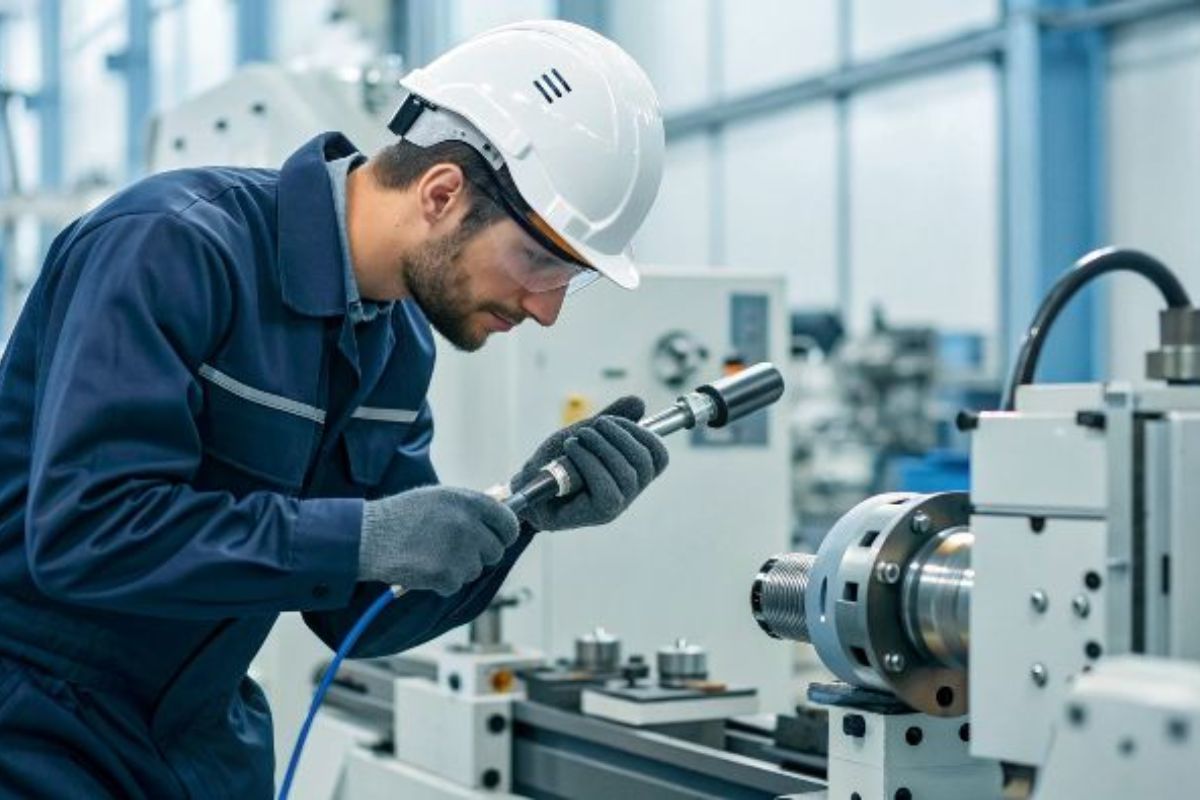
Thermal imaging provides visual and measurable data that helps engineers make informed maintenance decisions.
Decision-making benefits:
- Clear identification of problem areas
- Prioritization of urgent repairs
- Data-backed maintenance planning
- Reduced guesswork in troubleshooting
Example applications:
- Determining whether a motor needs repair or replacement
- Identifying overloaded circuits
- Evaluating cooling system performance
With accurate thermal data, maintenance teams can act quickly and confidently.
10. Enhancing Overall Operational Efficiency
When machinery operates efficiently and without interruption, overall factory productivity improves.
Operational improvements include:
- Higher equipment uptime
- Smoother production flow
- Reduced bottlenecks
- Better resource utilization
Long-term benefits:
- Increased production output
- Improved product quality
- Stronger operational reliability
- Greater competitiveness in the market
Thermal imaging contributes directly to creating a more stable and efficient manufacturing environment.
Key Takeaways
Thermal imaging is a powerful tool in predictive maintenance that helps factories improve reliability, safety, and efficiency.
Core benefits include:
- Early detection of machinery faults
- Reduced unplanned downtime
- Improved electrical safety
- Enhanced energy efficiency
- Extended equipment lifespan
- Lower maintenance costs
- Data-driven maintenance decisions
Conclusion
Thermal imaging has become an essential technology for modern predictive maintenance in factories. Detecting heat-related issues early allows maintenance teams to prevent failures, reduce downtime, and optimize equipment performance.
As industries continue to focus on efficiency and cost reduction, thermal imaging provides a reliable, non-invasive, and highly effective solution for maintaining machinery health. Its ability to improve safety, reduce energy waste, and extend equipment lifespan makes it a valuable investment for any manufacturing operation aiming for long-term productivity and sustainability.
Comments
